If you keep a boat on the Loxahatchee side of Tequesta, you probably heard about the video before you heard about the dredging. A local captain's clip of his boat nearly flipping on a sandbar outside Jupiter Inlet racked up more than 400,000 views this spring, and for a few weeks it was the thing everyone on Tequesta Drive was talking about at the dock. What most of that conversation missed is that the Jupiter Inlet District had already told the public, weeks before the video went viral, that its 2026 dredging project was finished. Both things are true at the same time, and understanding why is the difference between running the cut with confidence and finding out the hard way that the fix everyone assumed happened never touched the water where the danger actually is.
Two dredging windows, one sand trap, zero authority outside it
The Jupiter Inlet District has been maintaining this inlet since 1921, which makes it the oldest local government body operating in northern Palm Beach County. Its 2026 sand trap dredging and beach nourishment project ran in two separate windows and moved roughly 176,000 cubic yards of sand.
| Phase | Dates | What it addressed |
|---|---|---|
| Phase 1 | January 17 to February 15, 2026 | Sand trap inside the inlet |
| Phase 2 | April 14 to April 26, 2026 | Sand trap inside the inlet |
That work was real, it was completed on schedule, and the district confirmed it was done. Here is the part that gets lost in the retelling: the sand trap sits inside the inlet, about 1,000 feet west of the mouth. The sandbar that nearly flipped a fishing boat this spring, the one in the viral video, sits outside the inlet mouth, on the ocean side. The Jupiter Inlet District has said plainly that it is not authorized to dredge that stretch. Two different sections of the same waterway, one agency with jurisdiction over only one of them.
Why nobody with a dredge can just go fix it
This is where the story stops being about sand and starts being about paperwork. Jupiter Inlet has never been designated a federal navigation channel. Lake Worth Inlet, the channel serving the Port of Palm Beach to the south, has that designation, which is why the U.S. Army Corps of Engineers dredges and maintains it as a matter of routine. Jupiter Inlet doesn't get that treatment. The Corps has previously declined to establish a navigation channel here based on its own cost-benefit formula, and without that designation, any large-scale fix outside the sand trap requires the Jupiter Inlet District to secure new permits and a bigger budget before the Corps can even get involved.
Congressman Brian Mast has pointed to a second complication layered on top of the jurisdictional one. Sea turtle nesting season narrows the calendar for any beach-adjacent sand work, which means even a fully funded, fully permitted fix would have to thread a seasonal window most people never think about until it's the reason nothing moved this year.
A boater who has fished this inlet for more than three decades put the daily reality of the current setup simply.
"There's boats that get stuck every day."
That's not hyperbole from someone new to the water. That's a captain who has run this cut for over 30 years, describing conditions that shift enough that he checks the sandbar's position every time before he commits to a route out.
What "fixed" would actually require
The Army Corps has said it is working with the Jupiter Inlet District to help pursue additional permits, and the district itself has said it hopes to encourage the Corps to revisit the navigation channel question. Neither of those is a commitment to a specific fix on a specific timeline. It's a description of a process that is still early, still dependent on funding the district doesn't currently have authority to spend outside its sand trap, and still subject to a turtle nesting season that closes part of the calendar every year regardless of how the permitting goes.
If you're the kind of resident who reads a headline that says "dredging finished" and mentally files the inlet under solved, this is the detail that should change your mental model. The dredging that finished in April addressed exactly the section of waterway the district has legal authority over. The section that produced the viral video and the boats getting stuck every day sits outside that authority entirely, and closing that gap is a multi-agency, multi-year undertaking, not a follow-up dredge.
The lever residents actually have
Here's what makes this more than a frustrating status update. A Tequesta resident named Chris Ball has organized a petition calling for the inlet to be dredged to at least 12 feet at mean low low water with reliable channel marker buoys installed. As of this writing the petition has drawn more than 670 signatures from local boaters, captains, and residents, and it exists specifically to put pressure on the Jupiter Inlet District board ahead of a concrete decision point: two of the district's board seats, Seats 2 and 4, are on the ballot in November 2026.
That's a real lever, not a symbolic one. The people who sit on that board are the ones who decide how the district's limited authority and budget get used, and whether the district pushes harder for the federal designation that would unlock Army Corps involvement on the ocean-side shoal. If you've been assuming there's nothing to do but wait for an agency to sort it out, the November election is the one concrete date on the calendar where that assumption stops being true.
Running the cut until then
None of the jurisdictional complexity changes what you actually need to do the next time you take a boat out through Jupiter Inlet. The practical guidance circulating among local captains boils down to a few habits.
- Check the bar every time, not just the first time. Conditions that were safe yesterday can shift with a single tide cycle or a swell event, according to boaters who run the inlet regularly.
- Let a larger vessel go first if you're unfamiliar with the current cut, then follow the path it takes rather than guessing from memory or an old track.
- Match your draft to the day. A boat that cleared the bar easily last weekend may not clear it today if the channel has moved.
- Treat a big swell day as a day to wait, not push through. Local captains have described outer bars breaking hard enough to keep them at the dock until conditions eased.
None of this is a permanent solution and none of it should be mistaken for one. It's how people who live here and use this inlet weekly are managing a genuinely unresolved situation while the slower fix works through permitting and, eventually, a ballot.
The part worth remembering
The headline version of this story is that Jupiter Inlet is dangerous right now. The more useful version, the one that actually changes how you plan a trip out, is that the 2026 fix and the 2026 danger are two different projects in two different parts of the same waterway, governed by two different sets of rules, and only one of them has a scheduled public decision point this year. If you boat out of Tequesta with any regularity, that distinction is worth carrying with you past this article, past this season, and into whatever the November election decides for the district that manages the water at the end of your dock.
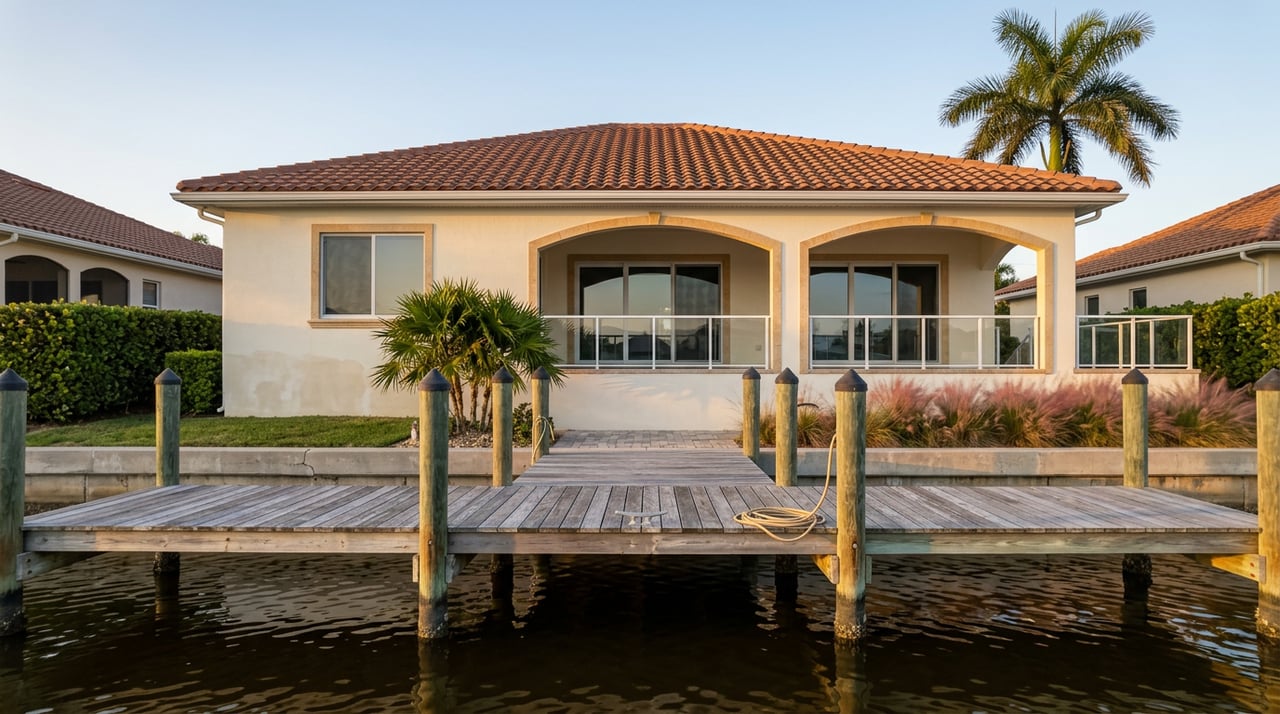
If you're weighing what a home's position on the Loxahatchee actually means for how you live day to day, from dock access to how close you sit to this exact inlet, Robert Floyd Realty has spent years working these waterfront communities and is always glad to talk through what a specific stretch of river or a specific dock setup means for the way you'll actually use the water. Let's Connect.