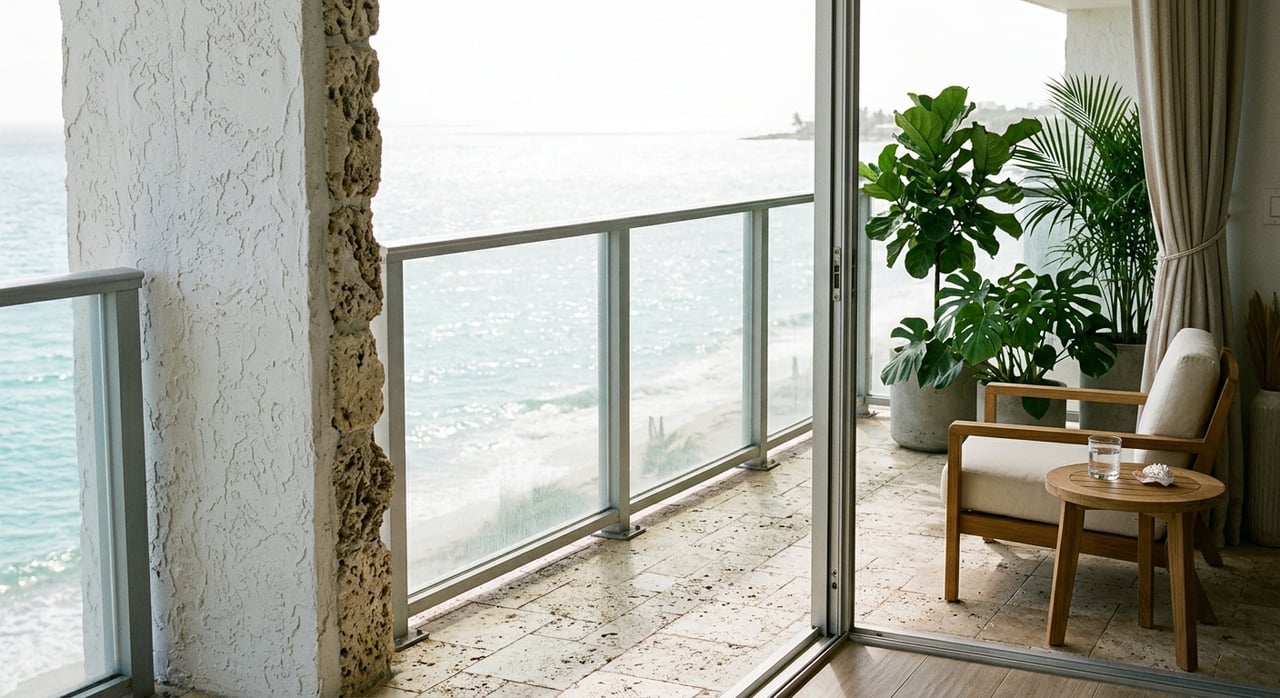
Dreaming about waking up to ocean views in Juno Beach? It is easy to focus on the balcony, the breeze, and the beach access, but buying an oceanfront condo here also means understanding the building behind the view. If you want to make a smart, confident purchase, you need to look closely at condo documents, inspections, reserves, insurance, and how the coastal setting affects ownership. Let’s dive in.
Why Juno Beach Feels Different
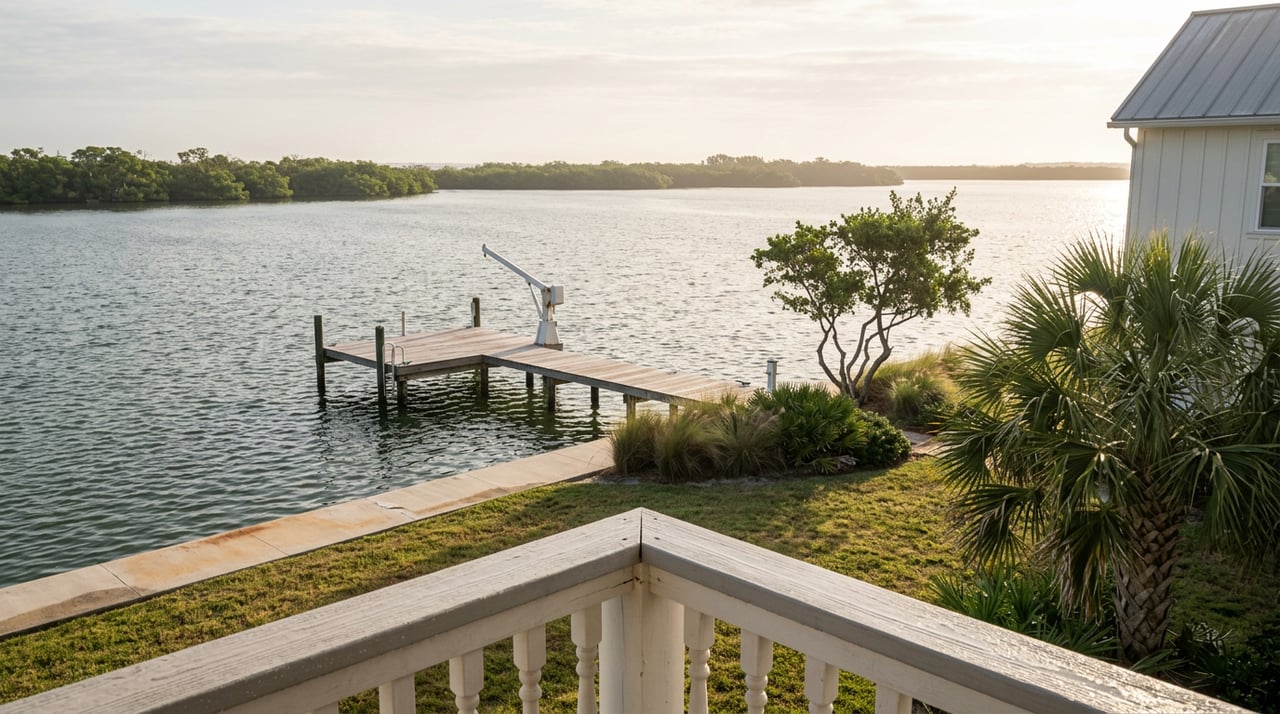
Juno Beach offers a coastal lifestyle that feels more residential than resort-driven. The town describes the area as predominantly residential, with oceanfront estates, condominiums, an oceanfront bike path, and nearby destinations like Juno Beach Park, Loggerhead Park, Carlin Park, and Juno Dunes Natural Area.
That setting matters when you are deciding where to buy. Juno Beach’s planning priorities focus on preserving public beach access, supporting dune walkovers, rebuilding dunes when needed, and encouraging low-density coastal development. In other words, the appeal here is not just the oceanfront location. It is also the town’s careful, conservation-minded approach to the shoreline.
Oceanfront Condo Buying Is About More Than the Unit
A beautiful interior and a strong view can draw you in fast. Still, an oceanfront condo purchase in Juno Beach is also a decision about building governance, long-term maintenance, and coastal risk.
Two units on the same stretch of shoreline can come with very different ownership experiences. The difference often comes down to the building’s age, inspection history, reserve funding, flood exposure, insurance structure, rental rules, and the chance of future assessments.
Review the Condo Documents Carefully
In Florida resale transactions, buyers are entitled to receive key association documents. These include the declaration, articles of incorporation, bylaws and rules, annual financial statement and annual budget, the FAQ document, any applicable milestone inspection summary, the most recent structural integrity reserve study, and, when applicable, the turnover inspection report.
The seller is responsible for the cost of providing these materials. Under current Florida law, a resale buyer has a 7-day voidability period after contract execution and receipt of the required documents. That gives you an important window to review what you are buying beyond the floor plan and finishes.
What to look for in the association package
When you review the condo documents, focus on the items that affect daily ownership and future costs, such as:
- Rental restrictions
- Pet rules
- Guest policies
- Parking rights
- Storage rights
- Amenity access
- Insurance deductibles
- Pending capital projects
- Current or possible special assessments
These details can shape your experience just as much as the unit itself. A condo that looks ideal on showing day may feel very different once you understand the rules and financial obligations tied to the building.
Understand Florida Inspection and Reserve Requirements
For many oceanfront condo buyers, this is one of the most important parts of due diligence. Florida’s milestone inspection law applies to buildings that are three habitable stories or more, with the initial inspection due by the end of the year the building turns 30, and then every 10 years after that.
Local enforcement agencies can require the first inspection at 25 years if local conditions justify it, including proximity to salt water. In a coastal area like Juno Beach, that point deserves close attention when you are evaluating an older building.
Why reserve studies matter
Florida law also requires certain associations to complete a structural integrity reserve study at least every 10 years. The study must address items such as:
- Roof
- Structure
- Fireproofing and fire protection systems
- Plumbing
- Electrical systems
- Waterproofing and exterior painting
- Windows and exterior doors
For budgets adopted on or after December 31, 2024, unit-owner-controlled associations generally may not vote to provide no reserves or reduced reserves for those required items. That is important because reserve funding affects both ownership costs and the building’s overall financial health.
Ask About Special Assessments and Future Costs
Even in well-located oceanfront buildings, owners can still face special assessments, loans, or lines of credit to fund repairs and reserve obligations. If major restoration work is planned or under discussion, your true cost of ownership may be higher than the listing price suggests.
This is why you should ask direct questions early. You will want to know whether the association has major work underway, whether assessments have already been approved, and whether future repair needs are visible in the inspection or reserve documents.
Financing Depends on the Whole Project
One of the biggest misconceptions about condos is that financing depends only on your income, credit, and down payment. In reality, lenders also evaluate the condo project itself.
Fannie Mae notes that lenders review legal documents, budgets, financial statements, reserve studies, and engineer reports when determining project eligibility. That means a stunning oceanfront unit can still be harder to finance if the building’s finances, maintenance history, or reserve funding raise concerns.
Questions to ask before you fall in love with a unit
Before you move too far into the process, it helps to ask:
- Is the building financeable under current lender standards?
- Are there recent engineer reports or milestone inspection findings?
- Is reserve funding strong enough for expected repairs?
- Has the association taken on debt for building projects?
- Are there any known issues that could affect loan approval?
These questions can save you time and reduce surprises during underwriting.
Flood Risk Is Part of Coastal Ownership
Palm Beach County describes itself as a low-lying, heavily developed coastal county that is especially susceptible to flooding and storm surge. The county also states that FEMA’s revised flood maps became effective on December 20, 2024, and that all county residents live in a flood zone.
Just as important, windstorm insurance does not cover flood damage. Flood insurance is separate, and for many properties in Special Flood Hazard Areas, it may be required when the mortgage is federally backed or otherwise subject to mandatory purchase rules.
Why Juno Beach buyers should pay attention
Flood-zone status and elevation are not small details in Juno Beach. They are central parts of the buying decision, especially for an oceanfront condo where location near the water is the main draw.
The town is also a CRS Class 5 community, which the town says can translate into a 25% flood insurance discount for policies written in Special Flood Hazard Areas. That can be a helpful factor, but it does not replace the need to understand the building’s flood exposure and insurance setup.
The Beach Experience Is Managed and Seasonal
Part of Juno Beach’s appeal is its natural shoreline, dune system, and public access. The same environmental qualities that make the area attractive also shape how the beachfront is managed.
Florida’s Coastal Construction Control Line program regulates structures and activities that can contribute to erosion, destabilize dunes, damage upland properties, or interfere with public access. Juno Beach’s comprehensive plan also supports conserving coastal resources, maintaining dune setbacks, and backing erosion-control work that avoids harm to dune and sea turtle habitat.
Palm Beach County says it oversees continued renourishment of Juno Beach, and local beaches have a history of long-term erosion and significant loss of frontage. The county also limits beach projects to November 1 through May 1 because of sea turtle nesting season, and the town notes that mechanical beach raking is rarely performed during nesting season because of environmental impacts.
For you as a buyer, this means the oceanfront lifestyle here is beautiful, but it is also shaped by environmental rules, seasonal work, and active shoreline management.
Compare Buildings, Not Just Addresses
When buyers compare Juno Beach with nearby coastal condo markets, it is easy to focus only on location. In practice, the smarter comparison is often building to building.
A condo in Juno Beach may offer the exact coastal setting you want, but the better buy depends on factors like building age, inspection status, reserve funding, insurance costs, flood-zone exposure, parking, rental rules, and the likelihood of future assessments. That is why a careful side-by-side review matters so much in this market.
A Smart Buying Strategy for Juno Beach
If you are considering an oceanfront condo in Juno Beach, keep your process grounded in both lifestyle and due diligence. The right purchase should feel good when you walk in and still make sense after you review the documents, budgets, inspections, and insurance details.
A measured approach usually includes these steps:
- Identify the building, not just the unit, that fits your goals.
- Review the association documents as soon as they are available.
- Confirm inspection history and reserve study details.
- Ask about current and possible future assessments.
- Review flood-zone and insurance considerations early.
- Check whether the condo project is likely to meet lender standards.
That kind of preparation can help you avoid costly surprises and buy with more confidence.
If you are weighing oceanfront condo options in Juno Beach, local guidance can make the process much clearer. Robert Floyd ( Robert Floyd Realty INC.) offers hands-on buyer representation across Palm Beach County, with the local insight and personalized support that help you evaluate both the lifestyle fit and the details behind the building.
FAQs
What condo documents should you review before buying an oceanfront condo in Juno Beach?
- You should review the declaration, articles of incorporation, bylaws and rules, annual financial statement, annual budget, FAQ document, any applicable milestone inspection summary, the most recent structural integrity reserve study, and any applicable turnover inspection report.
What is the Florida buyer review period for a Juno Beach condo resale?
- For a Florida condo resale, you generally have a 7-day voidability period after contract execution and receipt of the required documents.
What should you ask about a Juno Beach condo association before buying?
- You should ask about rental limits, pet rules, parking, storage, guest policies, amenity access, insurance deductibles, pending capital projects, and any special assessments.
Why do inspections matter when buying an oceanfront condo in Juno Beach?
- Inspections matter because older multi-story buildings may be subject to Florida milestone inspection requirements, and proximity to salt water can increase the importance of understanding the building’s condition and repair needs.
How do reserves affect a Juno Beach oceanfront condo purchase?
- Reserve funding affects future ownership costs, building upkeep, and financing strength because lenders and buyers look at whether the association is planning responsibly for major repair items.
Can financing be harder for one Juno Beach condo than another?
- Yes. Lenders review the condo project as a whole, so two units in nearby buildings can have different financing outcomes based on budgets, reserve studies, legal documents, and engineer reports.
What should buyers know about flood risk for Juno Beach condos?
- Palm Beach County says all county residents live in a flood zone, and flood insurance is separate from windstorm coverage, so you should review flood-zone status and insurance requirements early in the process.
How does beach management affect oceanfront ownership in Juno Beach?
- Juno Beach’s shoreline is actively managed through erosion-control efforts, dune protection, and seasonal project limits, which means the beach environment is carefully maintained rather than purely resort-style.