If a waterfront home in North Palm Beach catches your eye, the view is only the beginning. In this market, the right property can support the boating lifestyle you want, while the wrong one can bring limits on dock use, storage, insurance, or access. If you want to buy with more confidence, it helps to know what to check before you fall in love with the backyard. Let’s dive in.
Why waterfront means more here
North Palm Beach is deeply connected to life on the water. The Village’s Marine Unit notes that the area sits between the Intracoastal Waterway and the Atlantic Ocean and Lake Worth area, and the unit handles boating safety inspections, speed enforcement, and manatee-zone enforcement.
That matters because a waterfront home here is not just about scenery. It is also about how you plan to use the water, what kind of boating access you need, and what local rules may shape your ownership experience.
Start with the water behind the home
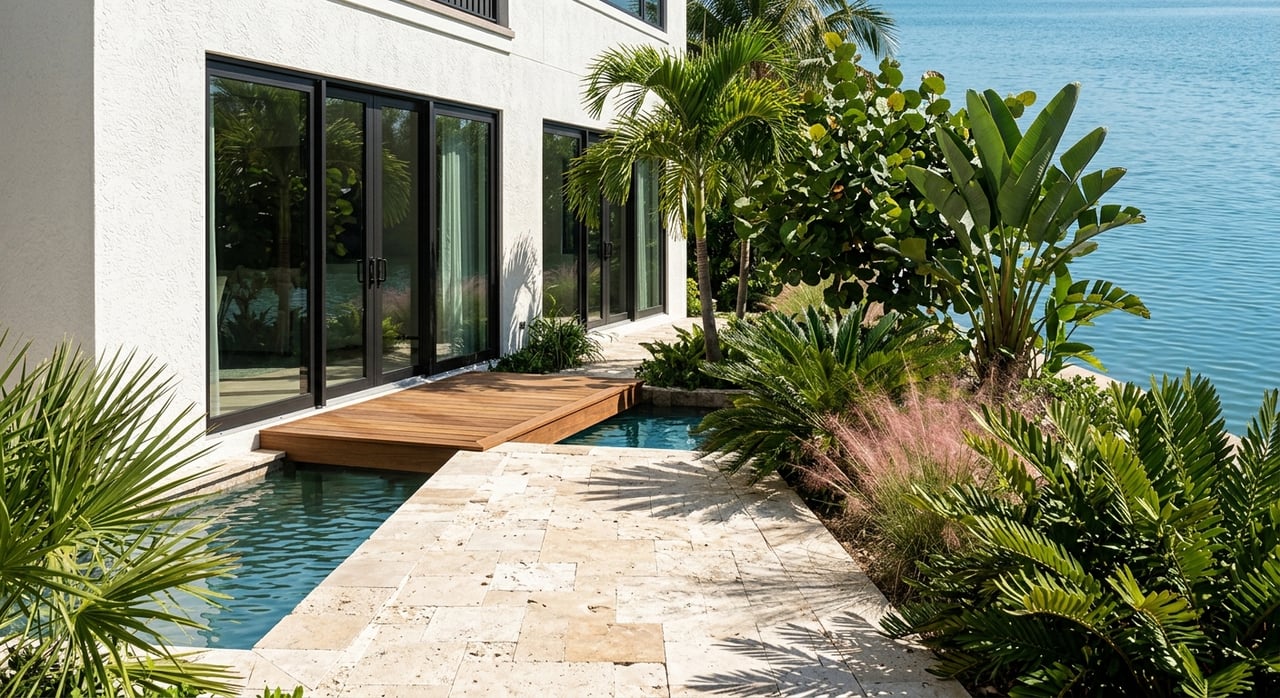
One of the first things to compare is the type of water frontage. In North Palm Beach, a home may face wide water, a canal, a lagoon, or a dead-end basin.
Each setting can feel different day to day. Wider water often brings broader views and easier boating access, while narrower water may offer more privacy and less wake exposure. Those are common tradeoffs based on local boating patterns, not guarantees for every property.
Look at orientation and exposure
A home's exposure can influence comfort outdoors and conditions at the dock. Regional South Florida climate data show that east and southeast winds are common, so lot orientation may affect breeze, chop, sun, and how enjoyable your outdoor spaces feel.
As you tour a property, try to picture how you would actually use the backyard. A beautiful view may still come with more wind or boat traffic than you expected, while a quieter canal lot may fit your lifestyle better.
Notice privacy and traffic patterns
Not every waterfront setting lives the same. Some homes sit on more active waterways, while others feel tucked away.
As you evaluate a property, pay attention to nearby boat traffic, wake, and how open the rear exposure feels. If you want calm mornings, easy paddle access, or a quieter dock setup, these small details can shape your long-term satisfaction.
Evaluate the dock and boatlift carefully
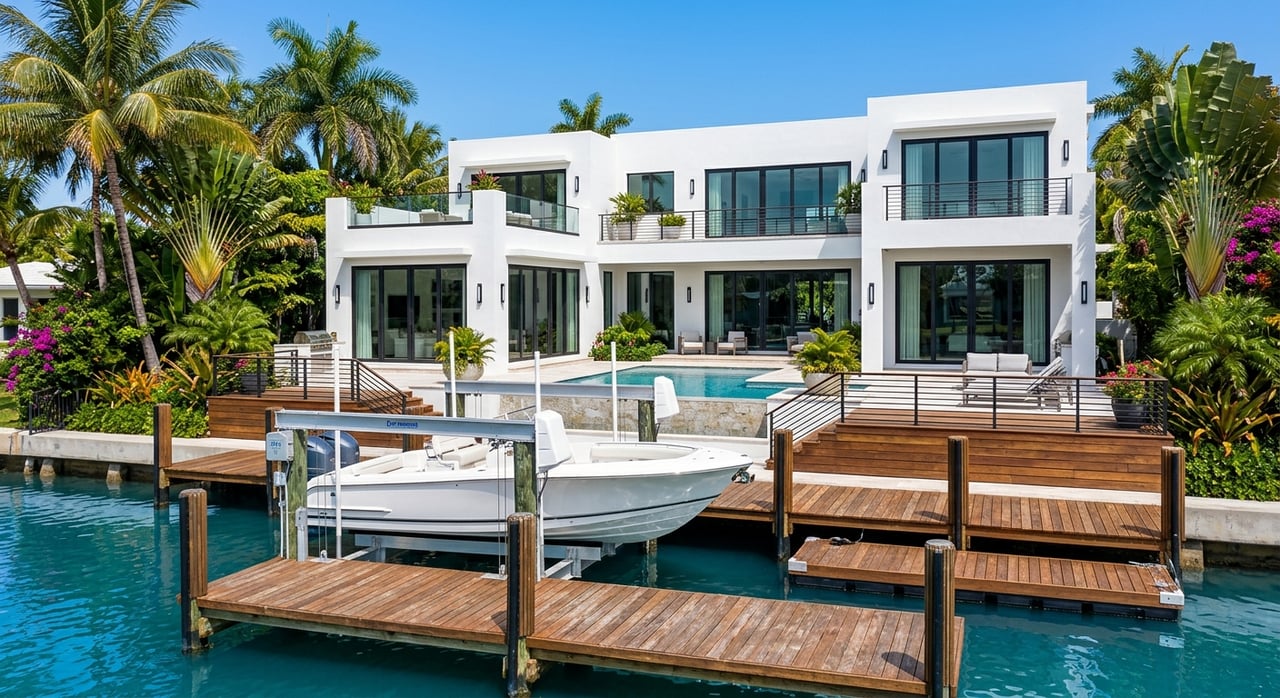
If boating is part of your plan, the dock deserves a close review. You want to confirm not just that a dock or lift exists, but that it is legal, properly permitted, and suited to your boat.
In North Palm Beach, permits are required for docks, piers, mooring buoys, anchors, and other waterside structures. The village’s dock and boatlift submittal checklist calls for items such as a signed owner application, a current boundary survey, an engineer overlay, setbacks, a Florida DEP package, and boatlift specifications.
Ask if the dock is legal and current
A waterfront purchase can get more complicated if an existing dock or lift was not properly permitted. Before you move forward, ask whether the property has a legal, permitted dock or boatlift and whether the permits are current.
This is an important step because replacing, modifying, or legalizing a noncompliant structure can affect your timeline and budget. It can also change whether the property truly fits your boating plans.
Check setback and frontage limits
Dock rules in the village depend in part on the lot’s water frontage and water body. For inland waters, lots with 50 feet or less of water frontage cannot place docks within five feet of the side property line extended, while lots with more than 50 feet of frontage have a ten-foot rule.
There are narrow exceptions for some dead-end lagoon lots if certain conditions are met. That means two homes with similar views may not offer the same dock options, even if they appear similar at first glance.
Know how private dock use is regulated
Village code states that private docks, piers, mooring buoys, and floating anchors are for the owner, occupant, and family only. They may be built only in R-1 and R-2 districts, and they may not be rented or leased.
If you are comparing properties for personal use, that helps clarify expectations. If you were hoping for more flexible dock arrangements, it is important to understand those limits before making an offer.
Confirm your boating access plan
Some buyers assume every waterfront property works the same for boating, but that is not always the case. You should confirm whether the water access is private, shared, or tied to a community option rather than a dock at home.
That question can affect convenience, cost, storage, and your overall day-to-day routine on the water.
If there is no private dock
If the property does not have a private dock, look at nearby alternatives. The village states that Anchorage Park Marina offers residents-only wet and dry storage on a wait-list, resident boat-ramp access, two day docks, and a kayak launch.
For some buyers, that setup works well. For others, a wait-list or off-site launch routine may be a deal-breaker. The key is to match the property to how often and how easily you want to get on the water.
If you keep a trailer boat at home
If you plan to store a trailered boat on the property, check the village’s boat and RV rules. The ordinance requires the equipment to be properly registered and visually screened from neighboring properties and the street.
This is an easy detail to overlook during a showing. If home storage is part of your plan, make sure the lot and layout can support compliance.
Review flood and insurance questions early
Flood risk should be part of your evaluation from the start, not something you leave for later. In a waterfront purchase, flood zone details can affect insurance, financing, and long-term ownership costs.
FEMA’s Flood Map Service Center is the official public source for flood-hazard information. Flood maps show flood zones, floodplain boundaries, and base flood elevation, and they can affect insurance requirements for government-backed mortgages.
North Palm Beach flood maps are changing
The Village of North Palm Beach says flood map boundaries are changing, and some properties may be re-designated to higher-risk AE zones. That can raise insurance costs.
Because of that, it is smart to look beyond the current monthly payment and ask how flood-related costs could change over time. A home that feels affordable today may carry a different ownership profile later.
Ask these flood-related questions
The village advises buyers to check whether a property:
- Is in a high-risk flood zone
- Is susceptible to coastal erosion
- Has repeatedly flooded
- Is near a protected floodplain area
- Already has an elevation certificate on file
These questions can help you compare properties more realistically. They also give you a clearer picture of possible insurance and resilience issues before you commit.
A local premium discount may help
The village participates in the National Flood Insurance Program Community Rating System. The village says that participation is intended to maintain a 25% flood-insurance premium reduction for residents.
That is a helpful local factor, but it should still be weighed alongside the property’s specific flood zone, elevation details, and insurance profile.
Check evacuation-zone information too
Waterfront living also comes with storm planning considerations. Before you buy, verify the property’s hurricane evacuation zone.
The village directs residents to Palm Beach County evacuation-zone resources for this information. Knowing the zone ahead of time can help you prepare for seasonal planning and understand the practical side of owning near the water.
Think about everyday livability
A waterfront home should support your daily life, not just your weekend plans. That is why it helps to evaluate nearby amenities and recreation options in addition to the lot and dock.
In North Palm Beach, lifestyle value can come from both boating and non-boating features.
Public amenities add flexibility
The North Palm Beach Country Club is publicly owned and open to the general public seven days a week. The village describes golf, a 50-meter pool, tennis courts, and dining as part of the club experience.
For buyers who want a mix of waterfront living and active recreation, that can add another layer of convenience without making assumptions about private club membership.
Parks can shape how the area lives
Anchorage Park includes fishing piers, a kayak and paddleboard launch, dog parks, pavilions, and resident-only boat facilities. John D. MacArthur Beach State Park is also highlighted by the village as the only state park in Palm Beach County.
If you want access to outdoor time beyond the dock, these features matter. They can make a waterfront location feel more versatile for everyday living.
A practical checklist before you offer
When you evaluate a North Palm Beach waterfront home, try to answer these questions before moving ahead:
- What type of water frontage does the home have?
- How do exposure, breeze, privacy, wake, and boat traffic feel on site?
- Does the property have a legal, permitted dock or boatlift?
- Are the current dock features suitable for your boat and usage plans?
- Is access private, shared, or tied to a residents-only marina with a wait-list?
- If you store a trailer boat at home, can the property meet screening rules?
- What flood zone is the home in?
- Is there an elevation certificate on file?
- Has the property had repeated flooding or other flood-related concerns?
- What hurricane evacuation zone applies to the address?
A clear answer to each of these points can help you compare homes more accurately and avoid surprises after closing.
Why local guidance matters
In North Palm Beach, waterfront value can change from one street, canal, or basin to the next. Two homes may look similar online, yet offer very different boating access, dock flexibility, flood considerations, and day-to-day comfort.
That is why local guidance matters so much in this search. When you work with someone who understands Palm Beach County waterfront living, you can evaluate the details behind the photos and make a more informed decision.
If you are exploring waterfront homes in North Palm Beach and want expert, hands-on guidance, connect with Robert Floyd ( Robert Floyd Realty INC.) for a more informed search and a smoother buying experience.
FAQs
What should you check first in a North Palm Beach waterfront home?
- Start with the type of water frontage, the home’s exposure, boating access, and whether the dock or lift is legal and properly permitted.
How do dock rules affect a North Palm Beach waterfront purchase?
- Village rules can affect whether a dock or lift is permitted, how close it can be to property lines, and how the structure may be used by the owner and occupant.
What flood questions matter for a North Palm Beach waterfront property?
- You should check the flood zone, base flood elevation details shown on official maps, whether the home has an elevation certificate, and whether the property has flood-related history noted by local sources.
What if a North Palm Beach home does not have a private dock?
- You should confirm whether boating access is shared or whether the property depends on community options such as the residents-only Anchorage Park Marina, which includes storage and ramp access with a wait-list.
Can you store a trailer boat at a North Palm Beach home?
- Yes, but village rules require the boat or RV to be properly registered and visually screened from neighboring properties and the street.
Why does orientation matter for a North Palm Beach waterfront lot?
- Because common east and southeast winds in South Florida may affect breeze, chop, sun exposure, and outdoor comfort, depending on how the lot faces the water.